Kabini is a landscape defined by its pulse—the frantic drumming of a woodpecker, the staccato alarm call of a langur, and the heavy thrum of diesel engines as jeeps navigate the forest tracks. Most travellers arrive chasing the high-octane thrill of the predator, but when the dust of the road settles and the engines fall silent, the region reveals a more profound, nuanced character. What happens when the hunt ends and the stillness begins? To truly witness the wildlife capital, one must step away from the tires and the tracks to find the quiet side of the river, where the soul of the forest resides in the spaces between the trees.
The River’s Edge: Why the Best Safari Isn’t on Land
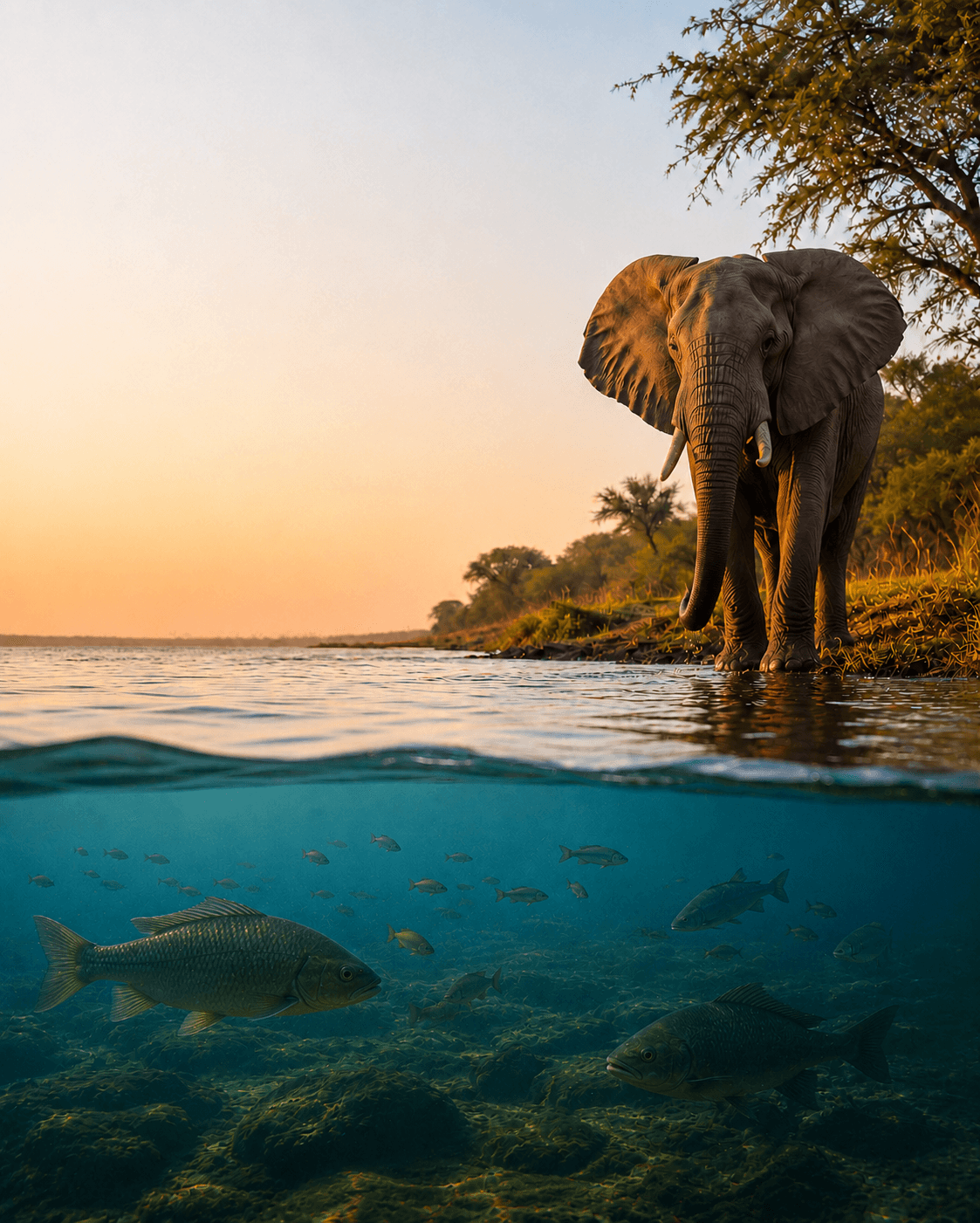
While the forest interior pulses with raw energy, the Kabini River offers a sanctuary of mechanical silence. Trading the rumble of a 4x4 for the gentle wake of a boat safari transforms the experience from a pursuit into a meditation. From the water, the hierarchy of the wild shifts; you are no longer a noisy intruder on a trail, but a silent observer of a riparian stage.
Along the banks, the sightings possess a different quality of intimacy. Massive tuskers emerge from the treeline to submerge in the cooling shallows, their leathery hides glistening, while mugger crocodiles lie like ancient stones on the mudflats. It is a slow-motion theatre that emphasises observation over the chase. As one often hears among the seasoned guides here, it is more than just a ride:
"It's a relaxing way to explore Kabini's wildlife from a different perspective."
For a deeper experience, you can explore the various wildlife activities available on these waters.
The Coracle: Finding Stillness in Tradition
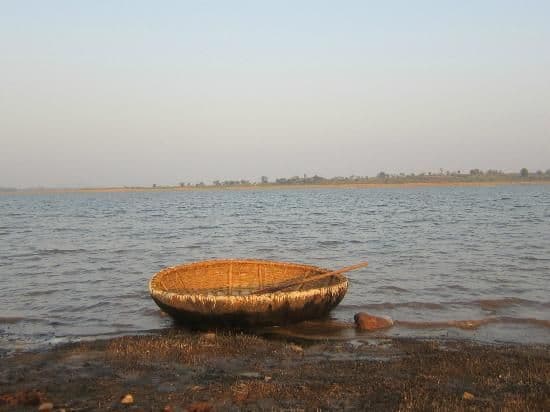
The water ripples. The wood creaks. The world slows down.
A paddle dips into the silt-rich current. This is the coracle—a round, lightweight vessel woven from tradition. Used for generations by local fishermen, these "basket boats" offer the ultimate sustainable immersion. There is no motor here. No rush. Only the rhythmic swirl of the water against the hull. You drift. You listen. You belong to the river. It is a primitive, beautiful stillness that anchors the traveler to the ancient heartbeat of Karnataka.
Beyond the Trees: Waterfalls and Wide Horizons
The geography of the region extends upward, beyond the jungle canopy, into the mist of the Western Ghats. A short drive carries you to Iruppu Falls, where the air grows thin and crisp. The forest walk here is a lung-clearing tonic of fresh mountain air, culminating in the roar of the falls as they tumble toward the valley floor.
For those who view the world through a lens, the Kabini Dam and its sprawling reservoir are essential stops. This isn't merely a point of interest; it is a masterclass in scale and light. For photographers, the golden hour at Kabini Dam is non-negotiable. As the sun dips, the light hits the vast reservoir to create a perfect mirror effect, offering a clean, wide-angle landscape that captures the intersection of man-made engineering and raw, unbridled nature.
Aroma and Heritage: Walking Through Kutta Village
To understand Kabini, one must understand the soil. A walking tour through Kutta Village is a multisensory journey into the region’s agricultural heritage. Here, the air is thick and textured. You smell the earthy musk of black pepper drying on woven mats and the sweet, heavy fragrance of blooming coffee blossoms.
This isn't a curated tourist trail; it is a working landscape. Walking through these spice plantations allows you to witness the daily choreography of local life—farmers tending to vines and the quiet industry of harvest. It connects the traveler to the land in a way a vehicle never can, grounding the safari experience in the reality of the people who have lived in harmony with these forests for centuries.
Living History: A Morning with the Mahouts
The story of the Asian elephant is inextricably linked to the people of Karnataka. At the Balle Elephant Camp and the nearby Dubare Camp, the experience transcends mere animal spotting. Here, you encounter a living history through the mahouts. These men are not simply caretakers; they are the custodians of an ancient lineage, possessing a deep, intuitive language shared with their charges.
Watching the morning routine—the scrubbing of thick hides and the preparation of nutritious forage—reveals the profound bond of mutual respect between human and giant. Understanding this relationship adds a necessary layer of depth to any trip. It reminds us that conservation is not just about protecting a species, but about honoring the cultural heritage and the specialized care that sustains these gentle giants.
Where to Stay: Nature Meets Luxury
Transitioning from the raw elements of the forest to a place of rest should feel like a continuation of the journey, not an interruption. KabiniKaanana serves as this bridge, offering a base where thoughtful hospitality meets the wild's edge. It is a destination designed for the traveler who seeks the full spectrum of the region—from the thrill of the guided safari to the quietude of a riverside sunset.
Check out our homestay facilities to plan your stay, and don't forget to book your stay at KabiniKaanana today to experience the best of Kabini, both on and beyond the safari!
Conclusion: A New Definition of Adventure
A journey to Kabini is far more than a checklist of sightings; it is an invitation to slow down. By balancing the adrenaline of the forest with the serenity of the coracle, the mist of the falls, and the aromatic walks of Kutta, you craft a narrative that stays with you long after the dust has been washed from your boots.
As you plan your escape to this corner of the world, consider the legacy of your footprints. Ask yourself: what do you value more—the high-speed thrill of the hunt, or the enduring peace of the wilderness?