Kabini, the shimmering crown jewel of South India's wilderness, stands today at a precarious crossroads. Famous for its staggering density of tigers and the legendary black panther, it has become the favorite sanctuary for the urban elite and international travelers alike. However, this immense popularity brings a sobering threat: the specter of high-impact mass tourism that risks loving the landscape to death. The region faces a fundamental choice between exploitative extraction and a sophisticated, conservation-first approach.
In this high-stakes environment, a new paradigm is emerging. Responsible tourism here is no longer a mere marketing buzzword or a passive attempt to "do no harm." Instead, it has evolved into a proactive, "luxury with purpose" model that acts as a vital mechanism for rebuilding the ecosystem, proving that premium travel can—and must—be the primary guardian of the wild.
From "Checklist" Sightseeing to Interpreted Ecology
In the heart of Nagarahole National Park, the very definition of a "safari" is being rewritten. For years, the wildlife experience was often reduced to a frantic checklist of predator sightings, sometimes involving invasive maneuvers. Today, a quieter, more intellectual ethos prevails. The shift moves away from the adrenaline of "the chase" toward the nuance of interpreted ecology.
The Karnataka Forest Department has been instrumental in this evolution, enforcing rigorous guidelines that include strictly regulated vehicle numbers and fixed timings to minimize habitat stress. This is no longer about proximity; it is about understanding. As the new regional norms state:
"Safaris under new responsible-tourism norms avoid night drives, engineered wildlife encounters and off-track intrusion, focusing instead on quiet observation and interpretation."
By prioritizing the role of the naturalist as a storyteller rather than just a driver, the guest experience becomes a profound lesson in biodiversity, fostering a genuine respect for the park’s rules and its silent inhabitants.
Livelihoods as a Buffer for the Forest
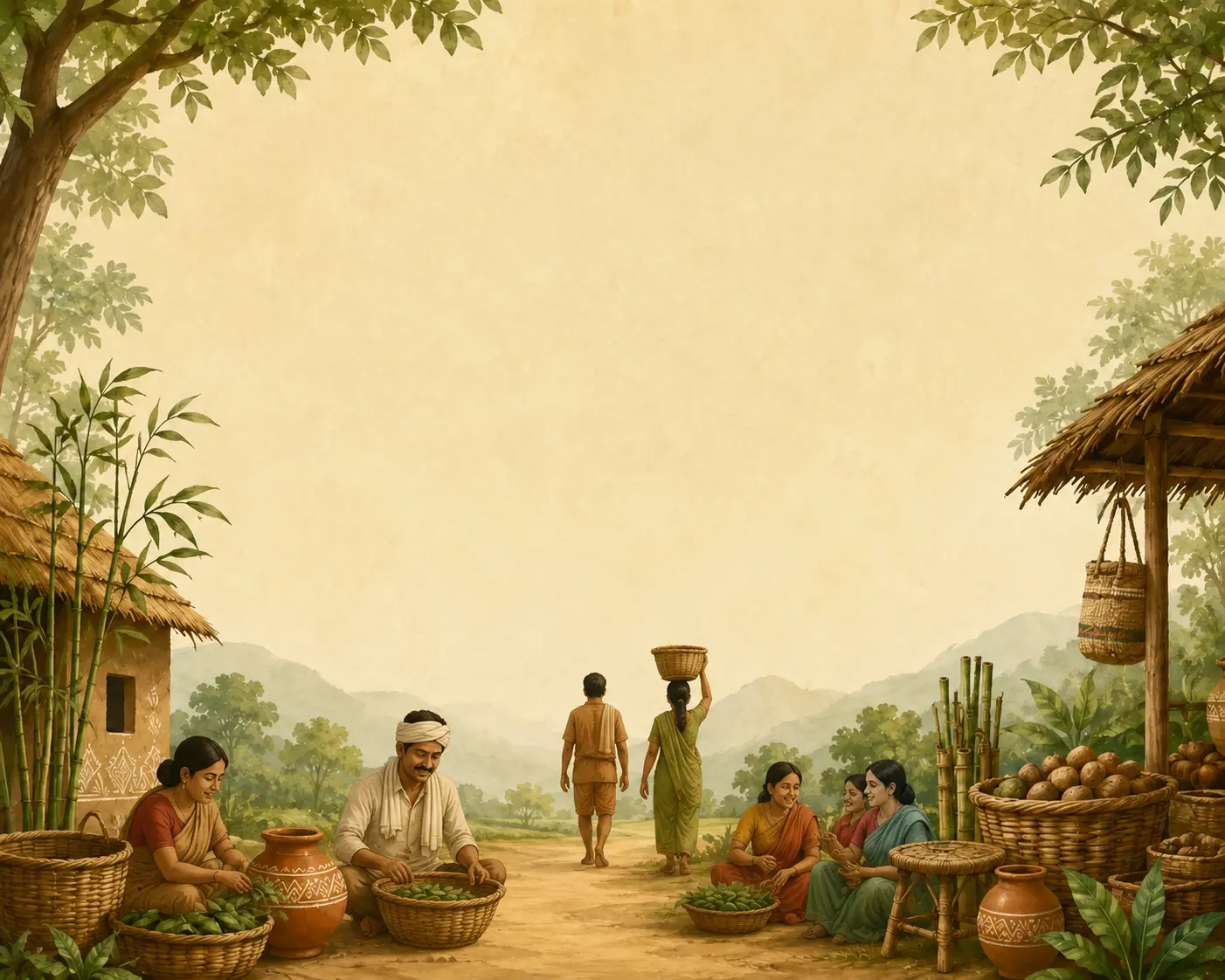
Conservation only succeeds when the community bordering the forest has a tangible reason to protect it. In Kabini, the "value chain" has been re-engineered to provide a socio-economic buffer for the landscape. While many premium resorts hire and train residents predominantly from nearby villages for hospitality roles, the impact goes much deeper than entry-level employment.
We are seeing the rise of a collaborative economy where B&Bs and small-scale tourism ventures are co-created with local farmers and fishers. Notably, the model has empowered a new wave of women entrepreneurs, integrating them into the tourism sector as vital stakeholders. By sourcing everything from organic vegetables to milk and fish from local cooperatives, the revenue from luxury stays is injected directly into the village economy. This financial stake transforms potential threats—such as illegal logging or hunting—into a collective interest in wildlife protection.
The Farmstay as a "Financial Backbone" for Conservation
When public conservation budgets are stretched thin, the private-public partnership becomes the landscape's lifeline. In Kabini, tourism revenue serves as a financial backbone for critical on-ground operations. This isn't just about philanthropy; it’s about farmstays, the Forest Department, and dedicated NGOs working in tandem to address immediate ecological needs that the public sector cannot fund alone.
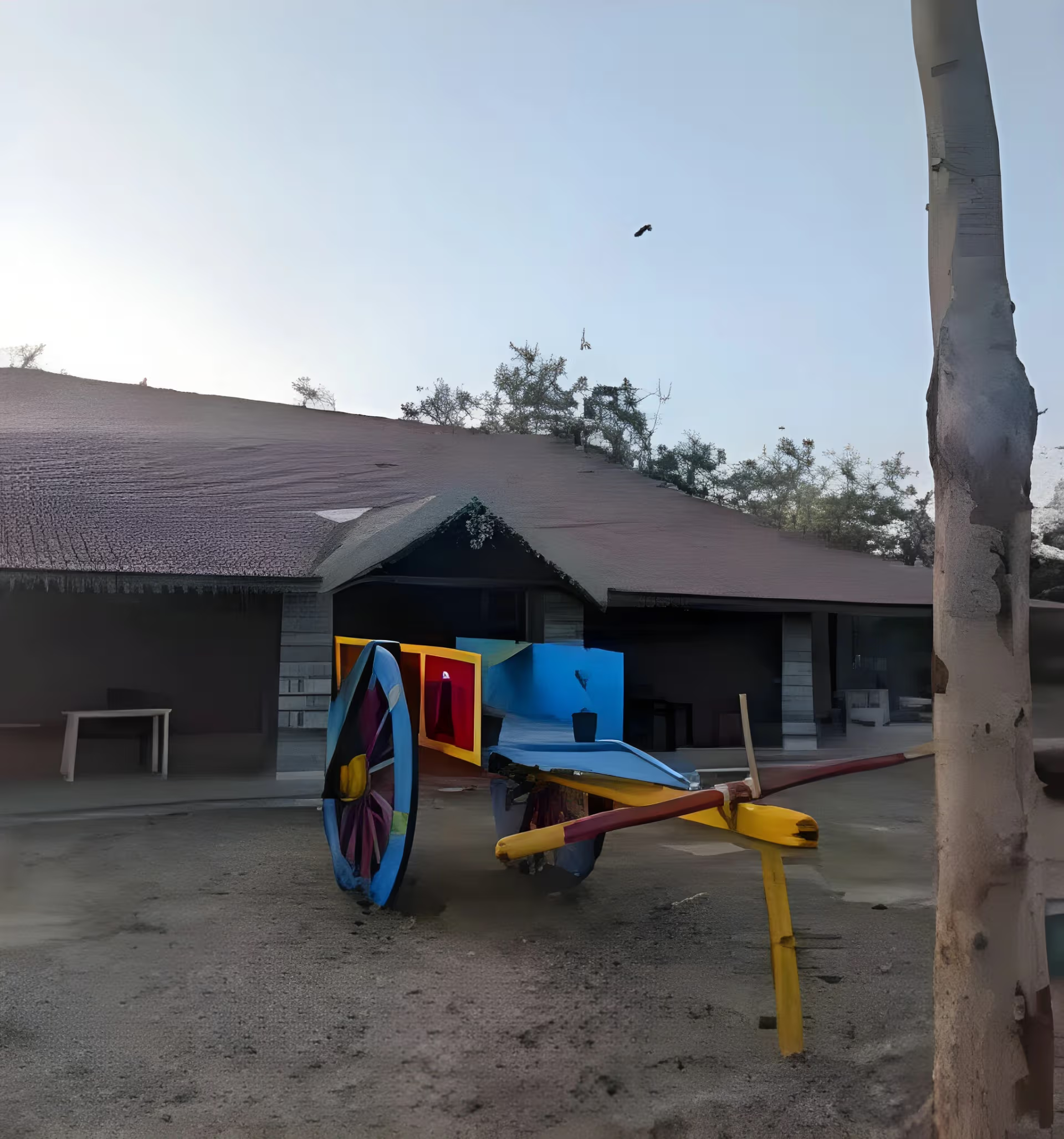
This coalition provides the money, manpower, and technology for initiatives that define the park’s resilience:
* Solar Water Pumps: Installation of pumps inside the forest to ensure wildlife has access to drinking water during harsh summers and drought years. * Forest-Fire Response: Deploying water tankers and trained resort staff to assist authorities in containing volatile fires before they destroy critical habitats. * Anti-Poaching Efforts: Funding long-term patrol and protection initiatives for threatened species like tigers and leopards. * Restoration of Green Cover: The systematic planting of thousands of indigenous trees to restore the landscape within resort properties and surrounding buffer zones.
Sustainable Operations are No Longer Optional
While these external conservation efforts are vital, the integrity of the Kabini model rests equally on internal operational discipline. The most forward-thinking resorts recognize that a luxury stay must not come at a cost to the Nagarahole ecosystem; rather, the internal management must reflect the external conservation goals.
Infrastructure is now designed for low-impact living, utilizing solar power, rainwater harvesting, and energy-efficient building materials. A particularly meticulous detail found in top-tier properties is the use of grease-trap composting for kitchen waste, ensuring that even the byproducts of luxury dining are recycled into the earth. By eliminating single-use plastics and managing resources with surgical precision, these operations create a powerful cumulative effect, reducing the overall stress on the ecosystem and ensuring the hospitality industry supports the landscape rather than exploiting it.
The Generational Shift Through Education
The most lasting impact of responsible tourism in Kabini is found in the local classroom. Tourism revenue is increasingly funneled into technology-based schooling and environmental workshops for the children of the forest. By providing digital tools and modern curricula, these initiatives are bridging the rural-urban divide, equipping local youth with the skills to become the next generation of professional conservationists and leaders.
Furthermore, sponsored safaris allow these children to experience the park as guests and observers rather than outsiders. This exposure is designed to create a new generation of forest guardians who value the ecosystem intrinsically. By teaching children to see the wild as their greatest asset, the community develops a long-term commitment to conservation that transcends immediate economic needs.
Summary: A Partnership for the Future
The future of Kabini depends on a continued partnership between hosts and guests. Responsible tourism is a collective effort where every choice made by a traveler contributes to the health of the forest.
### Vetting Your Stay: How to Travel with Purpose
* Demand More than Greenwashing: Choose resorts that demonstrate verifiable sustainable building standards and prioritize local sourcing from farmers and fishers. * Value Ecology Over the "Checklist": View Kabini as a complex, living theater. Respect the silence, stay on designated tracks, and never pressure guides to disturb wildlife for a photograph. * Support the Local Value Chain: Invest in the community by purchasing local products and participating in village-led cultural programs or B&Bs.
As we look toward the future of travel, we must ask ourselves: How will your next journey leave the destination better than you found it?